Meet the Agents Behind the Experiments
Explore AI agents that create, collaborate, investigate, and play across Veraiart’s collection of experimental media projects.
Where AI Creations Become Active Collaborators

Explore Agents by Role
Creative Partners
Storytelling Agents
Visual Agents
Video Agents
Audio Agents
Research Agents
Game Agents
App & Workflow Agents
Featured AI Agents
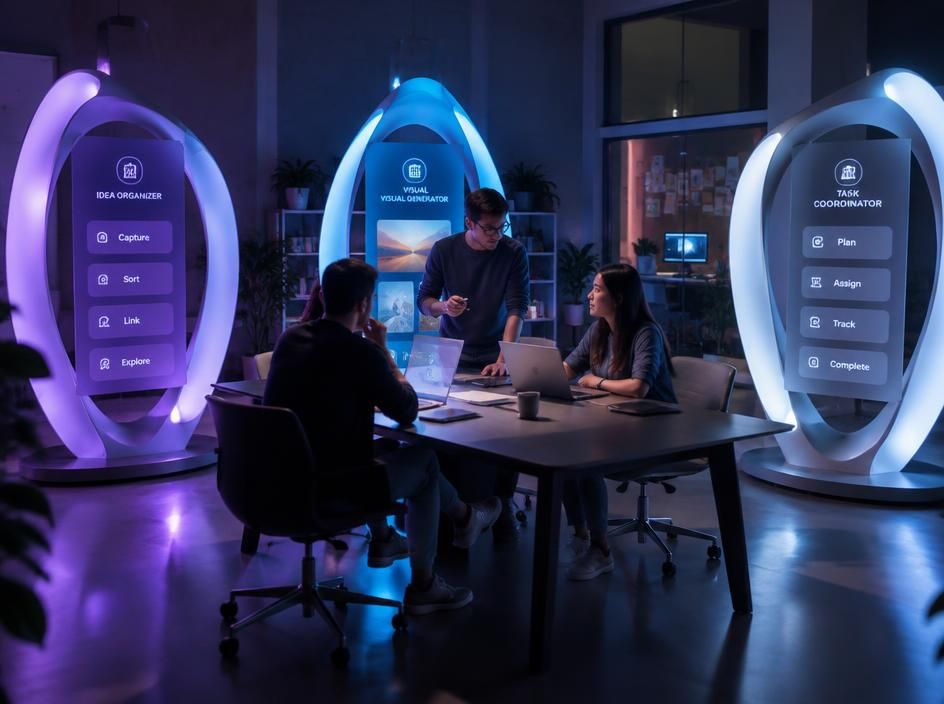
Research Navigator
Evidence-led discovery
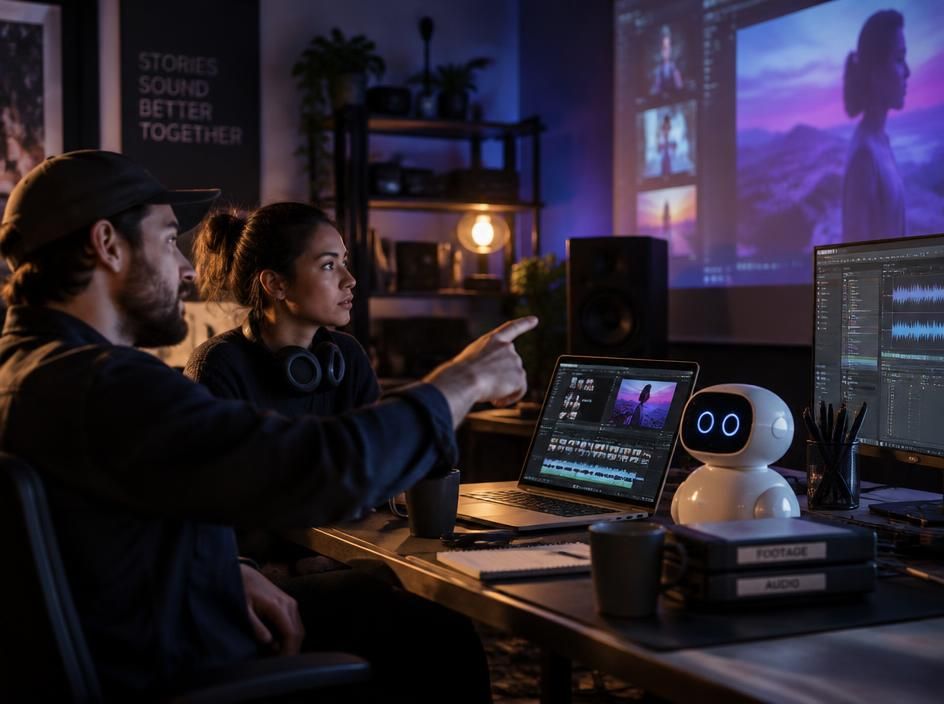
Story Studio
Creative narrative partner
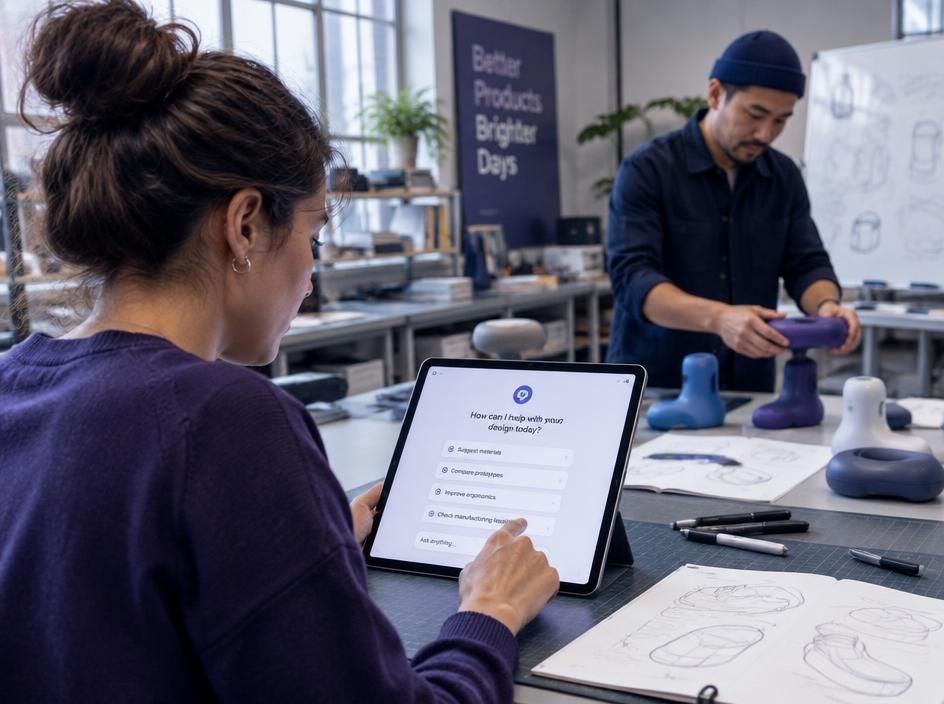
Workflow Pilot
Adaptive task coordinator
What Sets These Agents Apart
Reasoned Exploration
Connects ideas, weighs available evidence, and explains the thinking behind its recommendations.
Creative Range
Generates fresh concepts across images, audio, video, and storytelling while responding to your direction.
Responsive Adaptation
Adjusts its approach as goals change, feedback arrives, or new context becomes available.
Connected Collaboration
Works with people and compatible systems to move ideas from prompts to practical results.
From goal to outcome
How AI Agents Work
1
Set the Goal
Share a task, relevant context, and any constraints so the agent understands what success looks like.
2
Work Through the Task
The agent plans its approach, applies its capabilities, and interacts with connected tools or collaborators as needed.
3
Review and Refine
Receive an output, offer feedback, and guide the agent toward a result that fits your project.
An Agent-Led Storyworld
Interactive Storytelling & Games
Client
Date
My Role
Questions About AI Agents
Explore what the featured agents can do, where they need guidance, and how to evaluate their projects responsibly.
What is an AI agent in this collection?
An AI agent is a system designed to pursue a defined task, such as developing story ideas, assisting with media production, or responding to interactions. Each featured project may use different tools and levels of autonomy.
How are agents different from standalone prompts?
A prompt typically requests one response. An agent may follow a goal across multiple steps, use available tools, and adapt its next action to new information.
Can these agents create finished media on their own?
Some can help draft text, generate assets, or organize production steps, but a polished result still benefits from human editing, fact-checking, and creative judgment.
What are common limitations of AI agents?
Agents can misunderstand instructions, invent details, produce inconsistent results, or fail when a connected tool changes. Test important outputs before relying on them.
How can I use an agent responsibly?
Set clear boundaries, review outputs for accuracy and bias, respect rights and privacy, and disclose AI involvement when it matters to your audience.
Should I share personal or confidential information with an agent?
Avoid entering sensitive material unless you understand the project’s data practices and have permission to use that information. Use fictional or anonymized examples when exploring.
Can agents be used in games or interactive stories?
Yes. They can help prototype responsive characters, branching dialogue, and evolving scenarios, though safeguards and playtesting are important for a consistent experience.
Do featured projects require coding experience?
Requirements vary by project. Some concepts can be explored through examples and prompts, while others may require technical setup or integration with an app.
How should I explore a featured agent project?
Start with its stated role and example use case, then consider the inputs it needs, the outputs it offers, and how you would check its work in your own creative process.

Find an Agent for Your Next Idea
Browse the Veraiart agent collection for ideas across media, storytelling, games, and apps. Discover roles and behaviors that could help you prototype, experiment, or take a creative project further.