The Thinking Behind the Creation
Prompts Shape What AI Can Make
Explore how a starting idea becomes a carefully worded prompt—and how each revision can steer an image, story, sound, or interactive experience somewhere new.


From Creative Spark to Generative Direction
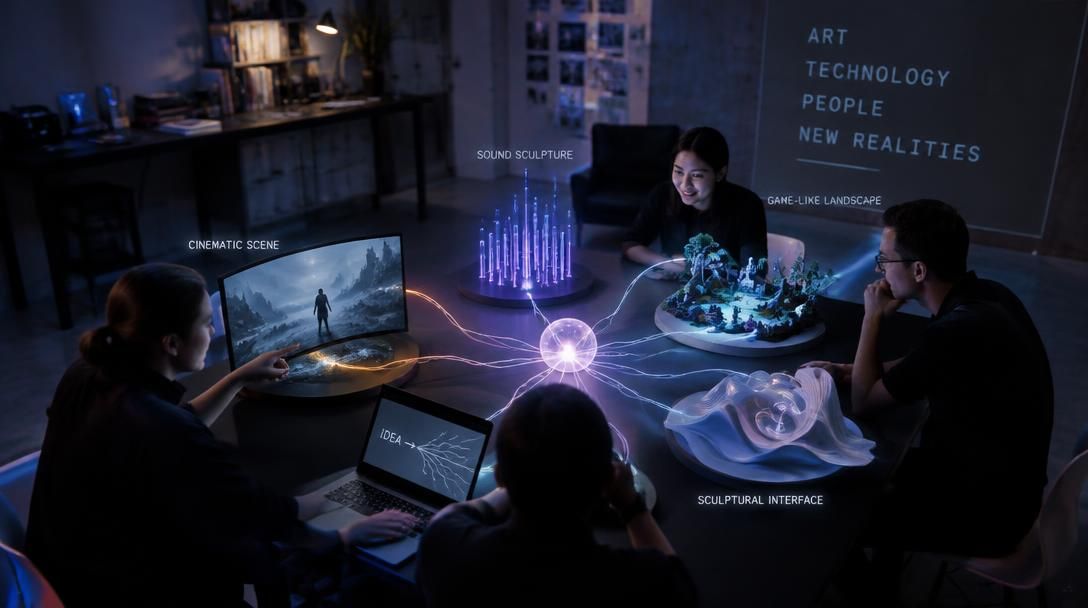
A prompt turns a creative idea into directions a generative model can act on. Describe the subject, mood, format, and intended audience to guide an image or video; specify pace, texture, and emotion to shape audio. For stories, games, and apps, prompts can establish characters, rules, interactions, and desired behavior. At Veraiart, we look beyond the finished creation to the wording and experiments behind it—because a small change in perspective, detail, or sequence can open up an entirely different result.
What Makes a Prompt Work
Clear Intent
Start with the outcome you want, whether it is a visual concept, playable scene, useful agent, or compelling narrative.
Specific Wording
Name the subjects, actions, and qualities that matter instead of leaving the model to guess at your meaning.
Useful Context
Include the audience, setting, purpose, or reference points that help the result feel grounded and relevant.
Thoughtful Constraints
Set boundaries for length, format, tone, or style to focus the output without closing off discovery.
Creative Examples
Show a sample structure or describe a desired feeling to give the model a stronger point of departure.
Room to Iterate
Test variations, notice what changes, and refine the instructions as your creative direction takes shape.
From Idea to Effective Prompt
Turn a creative spark into clear instructions, then use each result to sharpen the next draft.
1
Define the Creative Goal
Choose the subject, intended medium, audience, and mood before writing a prompt.
2
Draft Clear Instructions
Describe the essential details and desired output format in direct, specific language.
3
Test the First Output
Generate a result and note what works, what feels generic, and what the AI missed.
4
Refine the Wording
Adjust constraints and context, then retest until the outcome supports your idea.
One Prompt, Many Creative Directions
Cross-Media AI Experiment
Client
Date
My Role
How Wording Changes the Outcome
Open-Ended Prompt
Wording: “A city garden at night”
Specificity: Leaves details to the model
Context: No audience or purpose given
Likely result: Varied, generic scenes
Best use: Discovering directions
Context-Rich Prompt
Wording: “A moonlit rooftop garden above a quiet city”
Specificity: Defines setting, light, and mood
Context: Framed as a cinematic opening shot
Likely result: A more focused visual scene
Best use: Developing a chosen direction

“A prompt is a starting point, not a finish line; each revision reveals a new creative possibility.”
Veraiart creative perspective
Questions About Creative Prompting
Explore how small changes in language and direction can shape AI-generated images, stories, audio, and more.
What makes a useful prompt for a generative AI project?
Start with a clear idea, then add relevant details such as subject, mood, format, or intended audience. Leave room for unexpected results that might improve the work.
How can I adapt one prompt for different media?
Keep the core concept and change the instructions to suit the medium. A visual prompt might describe composition and lighting, while an audio prompt might focus on pacing and atmosphere.
What should I do when a prompt misses the mark?
Identify what worked, revise one element at a time, and compare the results. Trying different wording or constraints can uncover directions you had not considered.

See Where a Prompt Can Lead
Explore prompt-driven creations across Veraiart, then try reshaping an idea into something distinctly yours.